You’ve seen it at food trucks, smelled the smoky aroma at street festivals, and watched your friends devour it with pure joy. That charred corn covered in creamy toppings looks amazing. But here’s where confusion sets in: Is it Mexican style corn, or is it elote? Are they the same thing, or is there a difference you’re missing?
The answer might surprise you. While these terms often get used interchangeably, understanding what sets them apart—and what connects them—unlocks a deeper appreciation for this beloved street food. Whether you’re ordering from a vendor or planning your next backyard cookout, knowing these distinctions transforms you from casual corn eater to true aficionado.
Let’s start with the basics. Elote (pronounced eh-LOH-teh) translates to “corn on the cob” in Spanish, but when people say “elote,” they’re referring to something specific and spectacular.
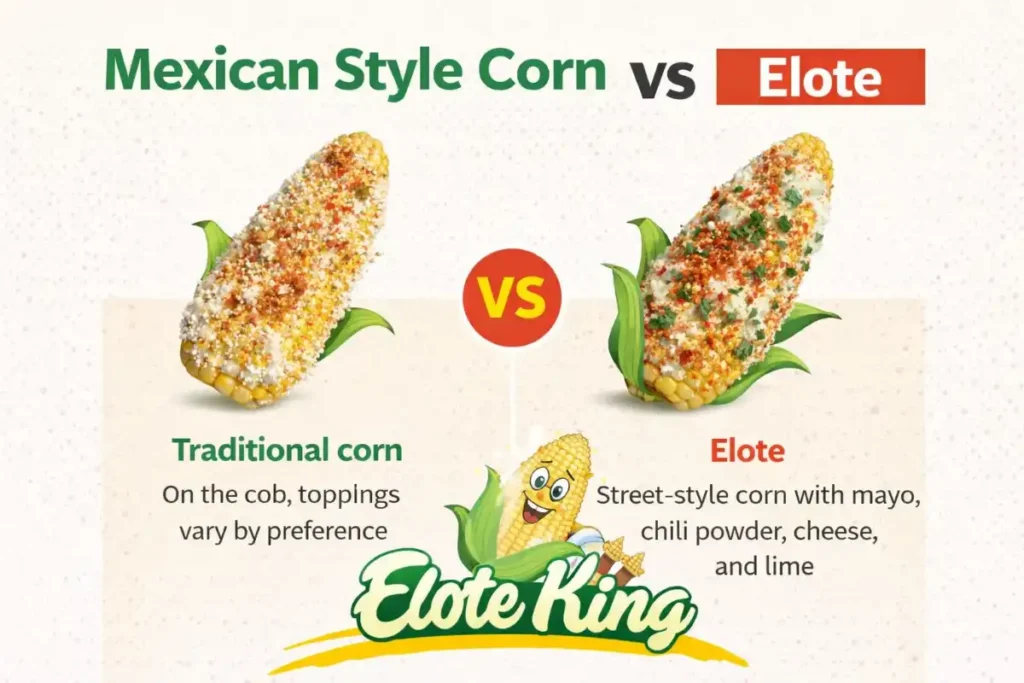
Traditional elote means grilled or boiled corn still on the cob. Street vendors across Mexico serve it hot off the grill with a generous coating of mayonnaise or Mexican crema, followed by crumbled cotija cheese, chili powder, lime juice, and fresh cilantro. You hold it by a stick or the husk, bite directly into the cob, and experience layers of flavors all at once.
The magic happens in that char. Grilling creates caramelization and smoky notes that complement the sweet kernels. Then come the toppings—each plays a crucial role. The creamy base helps other ingredients stick while adding richness. Salty cotija balances the corn’s sweetness. Tangy lime cuts through the richness. Spicy chili powder wakes up your taste buds.
This isn’t plain corn with butter. This is corn that’s been transformed into a handheld feast.
Here’s where it gets interesting. Mexican style corn serves as a broader category that includes elote but extends beyond it.
Think of it this way: all elotes are Mexican style corn, but not all Mexican style corn is elote. The term encompasses various preparations inspired by Mexican culinary traditions, each with unique characteristics and serving styles.
Elote sits at the foundation—the original street food experience served on the cob with traditional toppings.
Esquites (also called elote en vaso) takes those same flavors and serves them in a cup. The kernels get cut from the cob, mixed with the creamy sauce, cheese, chili, and lime, then served with a spoon. It’s less messy and perfect for eating on the go or at events where corn on the cob isn’t practical.
Mexican corn salad transforms the concept into a side dish. Cold corn kernels get tossed with mayo, cheese, peppers, onions, and cilantro. It’s refreshing, shareable, and works beautifully at potlucks.
Hot Cheeto elote represents modern innovation. Traditional elote gets topped with crushed Hot Cheetos or Takis, adding crunchy texture and extra heat. This fusion has exploded in popularity, especially among younger generations.
Mexican corn dip blends everything into a creamy, scoopable appetizer perfect for chips. It captures elote’s essence in party-friendly format.
All these variations share common DNA—smoky grilled corn, creamy elements, salty cheese, tangy lime, and heat from chili. But each adaptation serves different purposes and occasions.
When someone orders Mexican style corn, they might receive any variation within that family. When they specifically request elote, they expect corn on the cob with traditional toppings.
Elote maintains its structural integrity. You bite directly into the cob, experiencing everything in layers—your teeth sink through the toppings into sweet, juicy kernels.
Other Mexican style corn preparations prioritize convenience. Esquites lets you eat with a spoon. Salads work for sharing. Dips accommodate crowds. Each format suits different situations, but they all trace back to elote’s foundational flavors.
Classic elote sticks to time-tested ingredients: mayo or crema, cotija cheese, chili powder, lime, and cilantro. Nothing more, nothing less. This simplicity lets each component shine.
Modern Mexican style corn creations push boundaries. Vendors and restaurants experiment with different cheeses (queso fresco, feta, parmesan), varied chili powders (Tajín, chipotle, cayenne), and creative add-ons (bacon, jalapeños, Flamin’ Hot Cheetos).
Some purists argue these innovations stray from authenticity. Others celebrate the evolution. Both camps agree the foundation remains the same—quality corn elevated by complementary flavors.
To truly understand Mexican style corn and elote, you need context about corn’s sacred role in Mexican culture.
Ancient Mayans and Aztecs didn’t just eat corn—they revered it. The Popol Vuh, the sacred Maya creation story, describes how gods crafted humans from corn dough after earlier attempts with other materials failed. This wasn’t metaphor. It reflected corn’s literal role in sustaining civilizations across Mesoamerica.
For millennia, corn formed the backbone of Mexican cuisine. People transformed it into tortillas, tamales, pozole, atole, and countless other staples. Every meal featured corn in some form.
Elote emerged from this deep relationship with corn. Street vendors took this sacred staple and created convenient, delicious, affordable snacks that anyone could enjoy while walking through markets or attending festivals. These vendors became known as eloteros, and their offerings fall under the category of antojitos—”little cravings” in Spanish.
The tradition of selling elote from carts dates back generations. Vendors would grill fresh corn over charcoal braziers, creating that distinctive char and smoky aroma that drew customers from blocks away. The ritual was simple but perfect—grill, slather, sprinkle, squeeze, serve.
As Mexican cuisine spread globally, so did elote. But something interesting happened. Different regions adapted the concept based on available ingredients and local tastes. This evolution created the broader category we now call Mexican style corn.
In the United States, especially in areas with large Latino communities, you’ll find elote carts at farmer’s markets, outside grocery stores, and at cultural festivals. Each vendor adds their personal touch while respecting the core tradition.
The way you cook corn dramatically impacts the final result. This is where Mexican style corn preparations start diverging.
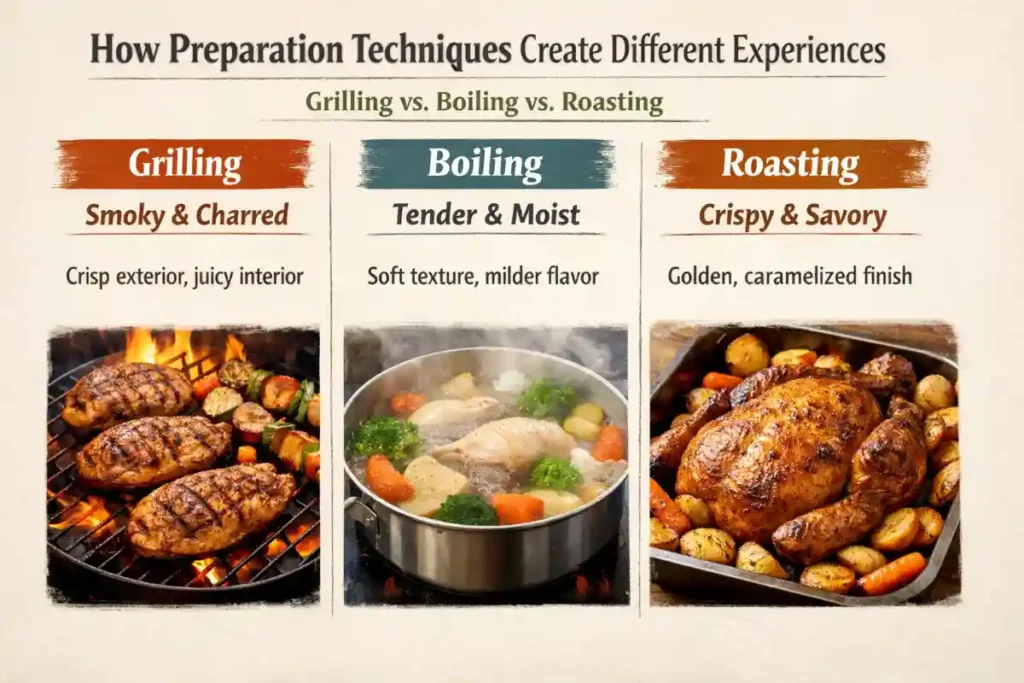
Grilling creates the most authentic elote experience. Direct flame contact produces char marks that add visual appeal and complex flavors. The Maillard reaction—the chemical process that creates browning—generates hundreds of new flavor compounds. These smoky, slightly bitter notes balance the corn’s natural sweetness.
Grilling requires attention. You rotate the corn every few minutes, ensuring even charring without burning. The result? Kernels with varied textures—some crispy, some tender, all delicious.
Boiling offers convenience and guaranteed tenderness. You drop husked corn into salted water, sometimes with epazote (a traditional Mexican herb), and cook until kernels soften. The corn stays uniformly tender and juicy. While you miss the char, boiling works beautifully for esquites where you’ll cut kernels from the cob anyway.
Roasting in the oven or over indirect heat provides a middle ground. The corn develops some caramelization without aggressive charring. This method works well for large batches or when outdoor grilling isn’t practical.
Each technique produces Mexican style corn with distinct characteristics. The “right” method depends on your desired outcome and cooking situation.
With traditional elote, order matters. First comes the creamy base—mayo, crema, or a combination. This layer must go on while the corn is still hot so it melts slightly and adheres properly.
Next, the cotija cheese gets rolled or sprinkled over the creamy coating. The warmth helps the cheese stick. Then comes the chili powder, dusted generously for even coverage. Finally, fresh lime juice gets squeezed over everything, and cilantro adds a bright, herbal note.
For esquites and other Mexican style corn variations, ingredients get tossed together rather than layered. This mixing ensures every bite contains all elements, though you lose the visual drama of watching a vendor build your elote.
Travel through Mexico and you’ll discover that Mexican style corn isn’t monolithic. Regional preferences create distinct variations.
In the capital, eloteros offer both elote and esquites from the same cart. The esquites often include epazote, giving them an earthy, distinctive flavor. Some vendors add dried grasshoppers (chapulines) for crunch and protein—a traditional pre-Hispanic ingredient experiencing renewed popularity.
In states like Nuevo León, you might hear corn in a cup called trolelotes or troles. The preparations tend toward bolder spice profiles, sometimes incorporating multiple chili varieties.
Here, esquites are sometimes called vasolote. Vendors often add more lime juice and incorporate chopped onions into the mix, creating a sharper, more pungent flavor profile.
Near beaches, you’ll find Mexican style corn with seafood influences. Some vendors add hot sauce or chamoy (a sweet, spicy, sour condiment made from pickled fruit) for tangier, more complex flavors.
These regional differences prove that while elote provides the template, Mexican culinary creativity ensures constant innovation within the tradition.
Understanding the difference between Mexican style corn and elote helps you order confidently and get exactly what you crave.
You want the full traditional experience. Biting directly into corn on the cob delivers textural contrast and layered flavors that no other format replicates. The act of eating elote is ritualistic and satisfying.
You’re at a street festival or outdoor event where messy eating is acceptable. Elote is handheld but not neat. Embrace the experience—dripping mayo and cheese dust on your hands is part of the fun.
You want Instagram-worthy food photos. There’s something undeniably photogenic about grilled corn covered in vibrant toppings, especially when captured with good lighting.
You need convenience. Eating with a spoon eliminates the mess factor. Perfect for car trips, formal events, or anywhere you’d rather not end up with corn stuck in your teeth.
You’re serving a crowd. Esquites and corn salads scale easily. You can prepare large batches in advance, making them ideal for parties and catering.
You have dietary restrictions or preferences. Cups and bowls make it easier to customize toppings. Want less mayo? More cheese? Extra spice? These formats accommodate adjustments better than corn on the cob.
You’re incorporating corn into another dish. Mexican style corn salads work beautifully as taco toppings, burrito bowl ingredients, or nacho toppings.
Today’s Mexican style corn landscape includes innovations that would surprise traditional eloteros.
Crushed Hot Cheetos on elote started as a creative experiment and became a phenomenon. The addition brings intense heat, bright red color, crunchy texture, and a nostalgic snack food element that resonates with American audiences.
This fusion represents cultural blending—taking a traditional Mexican preparation and incorporating an American snack food icon. Some view it as sacrilege. Others see it as delicious evolution. It’s undeniably popular, especially at food trucks and with younger demographics.
At Elote King Atlanta, we embrace this innovation while respecting tradition. Our Hot Cheeto elote delivers that signature crunch and heat while maintaining the quality and technique that make elote special.
As Mexican style corn entered mainstream restaurant culture, chefs created upscale versions. You might find elote-inspired dishes like:
These creative interpretations honor the source material while adapting it for different contexts and palates.
Living in Atlanta means access to incredible Mexican style corn options, from traditional elote to creative innovations.
Look for vendors and restaurants that grill corn fresh to order. The best elote comes right off the grill, still hot and ready for toppings. Watch for places that use authentic cotija cheese rather than substitutes—it makes a noticeable difference.
Street carts at farmer’s markets, outside Latin grocery stores, and at festivals often serve the most traditional preparations. These vendors typically learned the craft from family members and maintain authentic techniques.
At Elote King Atlanta, we specialize in both traditional and innovative Mexican style corn preparations. Whether you want classic elote on the cob, convenient esquites in a cup, or adventurous variations with Hot Cheetos or creative toppings, we prepare everything fresh using quality ingredients and authentic methods.
The Corn: Fresh, plump kernels that burst with juice. Sweet corn varieties work beautifully, though some traditional preparations use starchier field corn for a different texture.
The Char: Visible grill marks and some blackened spots indicate proper grilling technique. Don’t fear the char—those dark bits add crucial flavor.
The Toppings: Generous application of all elements. Skimpy portions of cheese or light dusting of chili suggest a vendor cutting corners.
The Lime: Fresh-squeezed makes a difference. Bottled lime juice lacks the bright, vibrant acidity that brings everything together.
The Temperature: Elote should arrive hot. The warmth activates the creaminess of mayo or crema and helps flavors meld.
Creating authentic Mexican style corn in your kitchen is easier than you might think.
Start with fresh corn when possible. While frozen corn works in a pinch, fresh sweet corn delivers superior texture and flavor. Choose ears with bright green husks and moist silk—signs of freshness.
For the creamy base, mayonnaise provides richness and helps toppings stick. Mexican crema offers authentic flavor with its slight tanginess, but sour cream mixed with a bit of lime juice makes an excellent substitute.
Cotija cheese is worth seeking out. This aged, crumbly Mexican cheese has a salty, sharp profile similar to parmesan but distinct. Most well-stocked grocery stores carry it near specialty cheeses. In a pinch, feta or parmesan work, though they’ll change the flavor profile.
For chili powder, Tajín—a tangy chili-lime seasoning blend—provides authentic Mexican flavor. Regular chili powder, cayenne, or chipotle powder also work depending on your heat preference.
Step 1: Prepare your corn. Grill over medium-high heat, rotating every 2-3 minutes until you see char marks and some kernels pop. Total time runs about 10-12 minutes. Alternatively, boil in salted water for 8-10 minutes until tender.
Step 2: While corn is still hot, brush or slather with mayonnaise or crema. Cover the entire surface generously.
Step 3: Roll the corn in crumbled cotija cheese or sprinkle it over the surface. The heat helps it stick to the creamy coating.
Step 4: Dust with chili powder or Tajín. Don’t be shy—generous seasoning is traditional.
Step 5: Squeeze fresh lime juice over everything. The acidity brightens all the other flavors.
Step 6: Garnish with chopped fresh cilantro if desired.
Serve immediately while hot for the best experience.
For cup-style Mexican style corn, cut kernels from 4-6 grilled corn cobs. Combine in a bowl with:
Mix well and serve in cups or bowls. This travels better than elote on the cob and scales easily for parties.
Let’s address the elephant in the room: Mexican style corn isn’t diet food. But understanding its nutritional aspects helps you make informed choices.
Corn itself provides valuable nutrients. One medium ear contains about 90 calories, plus fiber, B vitamins, potassium, and antioxidants like lutein and zeaxanthin.
The additions increase calories significantly. A fully dressed elote can range from 250-400 calories depending on how generously toppings are applied. The mayonnaise and cheese contribute most of the added calories, fat, and sodium.
However, context matters. Elote traditionally serves as a snack or side dish, not a meal. Enjoyed occasionally as part of a balanced diet, it’s perfectly reasonable.
If you’re watching calories, try these modifications:
The beauty of Mexican style corn is its flexibility. You can adjust ingredients while maintaining the spirit of the dish.
The popularity of elote and other Mexican style corn variations extends beyond just great taste.
Instagram and TikTok exploded with elote content. The visual appeal—bright colors, dramatic toppings, that satisfying cheese pull—makes it irresistibly shareable. Food influencers discovered that elote content generates engagement, spurring even more interest.
This visibility introduced elote to audiences who’d never visited a Mexican market or festival. Suddenly, people across the country were seeking out this street food they’d seen online.
Mexican style corn hits multiple pleasure points. It’s sweet, salty, spicy, creamy, and crunchy all at once. That combination of flavors and textures triggers satisfaction in ways simpler foods can’t match.
There’s also nostalgia. For people who grew up eating elote at family gatherings or neighborhood festivals, each bite brings back memories. For newcomers, it creates new positive associations.
Unlike some trendy foods requiring expensive ingredients or special equipment, Mexican style corn remains affordable and accessible. Corn costs little, and toppings are pantry staples. Whether buying from a street cart or making it at home, it won’t break the budget.
This democratic quality—delicious food that anyone can afford—contributes to its enduring popularity.
Even simple dishes like Mexican style corn can go wrong. Here’s what to watch out for:
Corn should be tender but still have structure. Overcooked corn turns mushy and loses that satisfying pop when you bite into kernels. Watch timing carefully whether grilling or boiling.
One of the biggest mistakes home cooks make is being too conservative with toppings. Traditional elote looks almost excessive with its coatings—that’s intentional. Don’t hold back on the mayo, cheese, or chili powder.
Using pre-shredded cheddar or mozzarella completely changes the dish. These cheeses melt and create an entirely different texture and flavor profile. Cotija doesn’t melt—it provides salty bursts that contrast with creamy toppings. Seek out authentic cotija or use recommended substitutes like feta or parmesan.
If you’re grilling, don’t pull the corn too early. Those char marks and caramelized spots provide crucial flavor. They’re not mistakes or overcooking—they’re the goal.
Lime juice should come from fresh limes, not bottles. Cilantro should be fresh, not dried. These fresh elements provide brightness that brings balance to rich, heavy toppings.
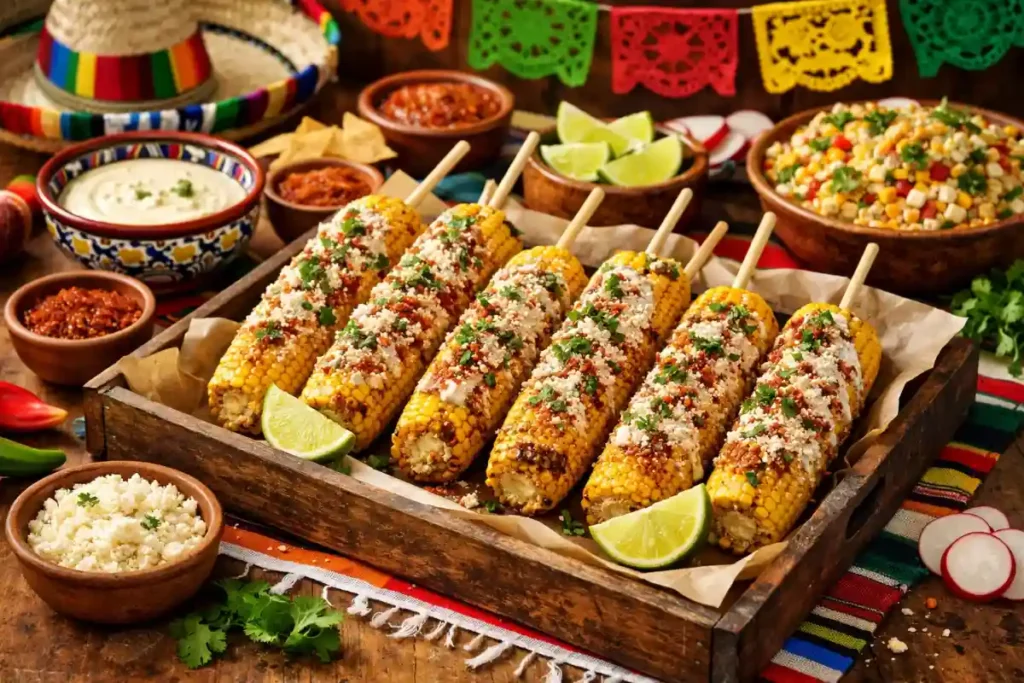
Mexican style corn works beautifully for events, offering something familiar yet special.
Corn appeals to almost everyone, making it a safe choice for diverse groups. The bold flavors and unique presentation create conversation starters. It’s also relatively easy to prepare in large quantities.
For outdoor gatherings like BBQs, reunions, or graduation parties, elote catering brings authentic street food excitement. Guests love the interactive element—watching corn get grilled and dressed to order creates an experience, not just a meal.
One advantage of Mexican style corn for events is easy customization. Set up a topping bar where guests build their own:
This approach accommodates different preferences and dietary needs while keeping preparation relatively simple.
For formal events, esquites or corn salad bowls work better than messy elote on the cob. For casual outdoor parties, traditional elote creates authentic street food atmosphere.
Consider your venue, audience, and event style when choosing which Mexican style corn format to serve.
Yes, elote is Mexican street corn. The word “elote” literally means corn on the cob in Spanish, but when people use the term, they’re specifically referring to grilled or boiled corn topped with mayonnaise or crema, cotija cheese, chili powder, lime juice, and cilantro. This is the traditional preparation you’ll find from street vendors throughout Mexico. Mexican street corn and elote are interchangeable terms for the same beloved dish, though elote can technically refer to plain corn while “Mexican street corn” specifies the fully dressed version.
The main difference between elote and esquites is how they’re served. Elote stays on the cob—you hold it and bite directly into it, experiencing all the toppings and kernels together. Esquites (also called elote en vaso or “corn in a cup”) features the same ingredients and flavors, but the corn kernels are cut from the cob and mixed with the toppings in a cup or bowl that you eat with a spoon. Esquites offers convenience and less mess, while elote provides the traditional street food experience. Both use identical seasonings—the only real difference is presentation format.
Absolutely! While grilling creates that authentic charred flavor, you can make delicious Mexican style corn using several methods. Boil fresh corn in salted water for 8-10 minutes until tender, then apply your toppings. For a closer-to-grilled taste, use a grill pan on your stovetop or broil the corn in your oven for a few minutes to create some char. You can even use a kitchen torch to char boiled corn before adding toppings. For esquites specifically, the cooking method matters less since you’re cutting kernels from the cob anyway—boiled, roasted, or even quality canned or frozen corn works fine when mixed with the creamy sauce and seasonings.
Cotija cheese is crucial because it provides the specific salty, crumbly texture that defines authentic elote. Unlike melty cheeses, cotija stays firm even on hot corn, creating little pockets of salty flavor that contrast beautifully with sweet corn and creamy toppings. It’s aged and has a sharp, tangy profile similar to parmesan but distinctly Mexican. Cotija doesn’t overpower—it enhances. While you can substitute feta or parmesan in a pinch, they change the flavor profile noticeably. Cotija brings authenticity and the right balance that makes Mexican style corn taste genuinely Mexican. If you’re making elote at home, spending a few extra dollars on real cotija makes a significant difference in achieving that authentic taste people crave from street vendors.
Now that you understand the rich tradition behind Mexican style corn and elote, it’s time to taste the difference yourself.
Visit Elote King Atlanta for authentic preparations that honor traditional techniques while embracing creative innovations. From classic grilled elote on the cob to convenient esquites in a cup, from spicy Hot Cheeto variations to custom creations, we bring the vibrant flavors of Mexican street food to Atlanta.
Whether you’re grabbing a quick snack, planning an event, or looking for catering that will wow your guests, our fresh, made-to-order Mexican style corn delivers the quality and authenticity you deserve.
Stop by our location, place an online order, or contact us to discuss catering options. Discover why locals call us Atlanta’s go-to destination for unforgettable Mexican street corn experiences.
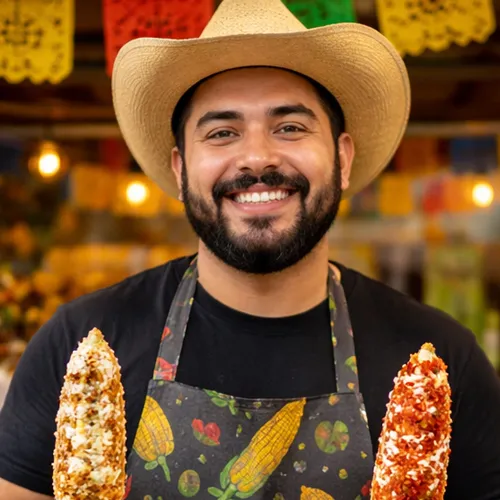
Jack Hanry is a food writer and contributor at Elote King Atlanta, where he shares insights on Mexican street corn, creative elote flavors, and ingredient pairings. With a passion for authentic taste and modern twists, Jack writes to help food lovers discover bold, satisfying elote experiences across Atlanta and beyond.