
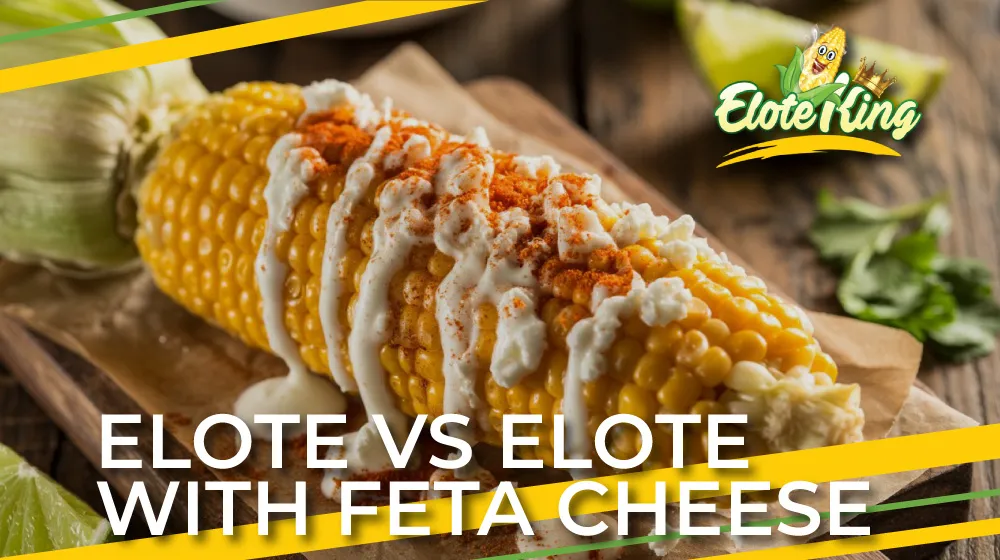
You’re walking through a vibrant Atlanta street fair when grilled corn’s aroma hits you like a warm hug. Your mouth waters before you reach the vendor’s cart. That’s elote’s magic—Mexican street corn transforms a simple vegetable into an unforgettable experience. But here’s the twist dividing Atlanta food lovers: what happens when you swap traditional cotija cheese for creamy, tangy feta cheese?
Let’s settle this delicious debate once and for all. Does feta elevate the dish or change it completely? We tested both versions so you know exactly what you’re getting into.
What Makes Traditional Elote So Special?
Before we dive into the great cheese debate, let’s talk about what makes elote the ultimate street food. Elote isn’t just corn on the cob—it’s a celebration of flavors that dance together in perfect harmony. The traditional recipe starts with fresh sweet corn, grilled until those beautiful char marks appear and caramelized sugars start working their magic.
The classic preparation involves slathering the grilled corn with a creamy mayonnaise base, rolling it in crumbly cotija cheese, dusting it with chili powder, sprinkling fresh cilantro, and finishing with a generous squeeze of lime juice. Each ingredient plays a crucial role. The mayo creates a velvety coating that helps everything stick while adding richness. The cotija brings salty, umami-packed intensity. The lime cuts through the richness with bright acidity. The chili powder adds warmth and depth. And the cilantro? That’s the fresh note that ties everything together.
This combination creates layers of flavor that keep you coming back for another bite. You get sweet from the corn, creamy from the mayo, salty from the cheese, tangy from the lime, spicy from the chili powder, and fresh from the cilantro. It’s like a flavor symphony playing in your mouth.
Enter Feta Cheese: A Mediterranean Twist on a Mexican Classic
Now, let’s introduce our game-changing ingredient: feta cheese. This crumbly Mediterranean cheese has been making waves in the elote world, and for good reason. While purists might raise their eyebrows at this substitution, the results speak for themselves.
Feta cheese brings a distinctive tanginess that cotija simply doesn’t have. It’s creamier in texture, even though both cheeses are categorized as crumbly. The saltiness level is similar, but feta has a sharper, more pronounced flavor that some people find more exciting. When you bite into elote made with feta cheese, you get that same satisfying crunch from the grilled corn, but the cheese adds a brighter, zestier punch.
Here’s what makes feta cheese particularly interesting in this application: its moisture content. Feta has slightly more moisture than cotija, which means it melts a bit more on hot corn. This creates pockets of creamy, salty goodness that blend with the mayo coating. It’s a textural experience that’s different from traditional elote but no less delicious.
The tangy profile of feta cheese also complements the lime juice beautifully. Together, they create a more acidic, refreshing flavor profile that some people prefer, especially on hot summer days when you want something that feels lighter and more refreshing.
The Taste Test: Traditional vs. Feta Cheese Elote
Let’s break down the flavor profiles side by side so you can understand exactly what you’re getting with each version.
Traditional Elote with Cotija
Traditional elote hits you with a bold, straightforward saltiness from the cotija cheese. The cheese has an aged, slightly funky quality that adds complexity. It’s dry and crumbly, creating a texture that contrasts beautifully with the juicy corn kernels and creamy mayo. The overall flavor is earthy, rich, and deeply savory. This version feels authentic, grounded, and substantial. Each bite delivers consistent flavors without surprises—and that’s exactly what makes it comforting.
Elote with Feta Cheese
When you swap in feta cheese, the entire flavor experience shifts slightly. The first thing you notice is the tanginess—it’s more pronounced and hits your palate faster. The creaminess factor increases, creating a lusher mouthfeel. The saltiness is still present but comes with a sharper edge. There’s a brightness to this version that feels refreshing and almost lighter, even though the calorie count remains similar.
The feta cheese version plays particularly well with additional toppings. If you love bold flavors and want to experiment, feta creates a fantastic base for variations. Some Atlanta food enthusiasts even combine it with hot Cheeto dust (yes, hot cheeto elote is a real thing and it’s incredible) for an extra kick that the feta’s creaminess balances perfectly.
Hot Cheeto Elote: The Wild Card Everyone’s Talking About
Speaking of hot cheeto elote, we need to address this spicy, crunchy phenomenon that’s taken social media by storm. This isn’t just about cheese anymore—it’s about texture, heat, and pure audacity. Hot cheeto elote takes the traditional concept and cranks it up to eleven.
The preparation is similar: you start with grilled corn, slather it with mayo or crema, add your cheese of choice, but then you crush hot Cheetos and roll the whole thing in that spicy, crunchy coating. The result is insane. You get the sweetness of corn, creaminess from the mayo, saltiness from the cheese, and then this explosive crunch and heat from the Cheetos.
Does feta cheese work better than cotija cheese for hot cheeto elote? Absolutely. The creaminess of feta cheese helps balance the intense heat and crunch from the Cheetos. The tangy quality cuts through the richness and prevents the dish from becoming too heavy. It creates a more balanced experience where you can taste each component rather than being overwhelmed by any single flavor.
If you’re feeling adventurous and want to try something that’ll make your taste buds stand up and applaud, hot cheeto elote with feta cheese is the move. It’s messy, it’s bold, and it’s absolutely worth the experience.
Texture Matters: The Mouthfeel Difference
Let’s talk about something that doesn’t get enough attention in food discussions: texture. The mouthfeel of your elote can make or break the experience, and the type of cheese you choose significantly impacts this.
Cotija cheese has a dry, crumbly texture that remains distinct throughout your eating experience. It doesn’t melt much, even on hot corn, so you get these satisfying nuggets of salty cheese in every bite. There’s a certain toothiness to it that creates contrast against the soft, juicy corn kernels.
Feta cheese, on the other hand, softens more readily when it contacts hot corn. It creates a slightly creamier, more unified coating that blends with the mayo base. Some people find this more enjoyable because it feels more cohesive. Others miss the textural contrast that cotija provides.
When you add something like hot Cheetos to the mix, the texture game changes entirely. Now you’re introducing an audible crunch that takes the experience to a completely different level. The crumbliness of feta cheese works especially well here because it doesn’t compete with the Cheetos for textural dominance—instead, it provides a creamy counterpoint.
Availability and Accessibility: The Practical Side
Let’s be real for a moment. While cotija cheese is the traditional choice and definitely the most authentic, it’s not always easy to find in every grocery store. Many people discover elote at street fairs or restaurants and want to recreate it at home, only to find that their local supermarket doesn’t carry cotija.
This is where feta cheese becomes more than just an alternative—it becomes a practical solution. Feta is available in virtually every grocery store across Atlanta and beyond. It’s in the specialty cheese section, the dairy aisle, sometimes even in the salad bar area. You can find it crumbled in containers, in blocks, or even marinated in oil and herbs.
This accessibility means more people can experience the joy of homemade elote without hunting down specialty ingredients. Does this make it less authentic? Perhaps. Does it make it less delicious? Absolutely not. Food evolution happens when we adapt recipes to available ingredients, and the feta cheese variation of elote is a perfect example of delicious adaptation.
The Flavor Enhancement Factor
One interesting aspect of using feta cheese instead of cotija cheese is how it interacts with other ingredients in your elote. The tangy nature of feta amplifies the lime juice’s brightness, creating a more pronounced citrus note. This can be particularly appealing if you’re someone who loves that fresh, zesty quality in your food.
The creaminess of feta cheese also blends more smoothly with Mexican crema or sour cream if you’re using those in addition to mayo. Some recipes call for a combination of mayo and crema for extra richness, and feta integrates beautifully into this mixture, creating an almost cheese-sauce effect that coats every kernel.
If you’re adding fresh jalapeños or other spicy elements, feta cheese provides a cooling effect that balances heat without diminishing it. This is why the hot cheeto elote variation works so spectacularly with feta—the cheese tempers the fire while letting you enjoy the full flavor experience.
Making the Choice: Which One Should You Try?
Here’s the truth: there’s no definitive winner in the cotija vs feta debate. Both versions offer unique experiences that cater to different preferences and occasions.
Choose traditional elote with cotija cheese if you want the authentic experience, if you love deep, earthy flavors, if you prefer drier textures, and if you’re serving it alongside other traditional Mexican dishes where consistency matters.
Choose elote with feta cheese if you enjoy tangier flavors, if you like creamier textures, if you’re experimenting with fusion flavors or bold additions like hot Cheetos, if cotija is hard to find in your area, and if you want something that feels slightly lighter and more refreshing.
Better yet, why not try both? Make two versions at your next cookout and let your guests decide. You might be surprised by how split the votes are. Some people will swear by the traditional preparation, while others will become instant feta cheese converts.
Beyond the Cheese: Other Variations to Explore
Once you’ve mastered both the traditional and feta cheese versions, the elote world opens up with countless possibilities. You can experiment with different cheese combinations—some people mix feta with cotija for a middle-ground option. You can try queso fresco for a milder, fresher flavor. You can even use parmesan for a nutty, sharp variation.
The mayo base can be swapped for Greek yogurt if you want to reduce calories and add extra tang. Mexican crema adds luxurious richness. Some people even use mashed avocado as the base for a completely different take on the concept.
Spice variations are endless. Beyond chili powder and hot Cheetos, you can use Tajín for a citrusy kick, chipotle powder for smokiness, cayenne for clean heat, or even curry powder for a completely unexpected fusion.
Fresh herb options extend beyond cilantro. Try adding minced jalapeños for heat and flavor, diced red onion for sharpness and crunch, chopped scallions for mild onion flavor, or even fresh basil for an Italian-Mexican fusion.
The Cultural Significance: Respecting Tradition While Innovating
It’s important to acknowledge that when we talk about modifying traditional recipes like elote, we’re walking a line between innovation and cultural appreciation. Elote has deep roots in Mexican street food culture, and the traditional preparation reflects generations of culinary wisdom.
Using feta cheese instead of cotija cheese isn’t about improving the original—it’s about adapting it to different contexts, preferences, and availability. Both versions can coexist beautifully. The traditional version honors heritage and authenticity, while variations like the feta cheese version show how food evolves and travels, picking up new influences along the way.
When you’re enjoying either version, take a moment to appreciate the cultural significance of this dish. Elote represents the vibrant street food culture that brings communities together. Whether you’re eating it at a street fair, making it at home, or ordering it from a restaurant, you’re participating in a food tradition that transcends borders and brings people together through flavor.
The Atlanta Advantage: Where to Find the Best of Both Worlds
Living in Atlanta gives you access to incredible food diversity, and elote is no exception. You can find traditional versions at authentic Mexican restaurants and food trucks throughout the city. Many establishments take pride in using imported cotija cheese and following time-honored recipes.
At the same time, fusion restaurants and innovative food vendors are experimenting with variations that include feta cheese and other creative twists. Some places even offer both options so you can compare them side by side.
The best approach? Try elote from different sources and pay attention to what you enjoy most. Notice the differences in preparation, the quality of ingredients, and how each element contributes to the overall experience. This mindful tasting will help you develop your own preferences and maybe even inspire you to create your perfect version at home.
Making Elote at Home: Tips for Both Versions
Whether you choose traditional cotija cheese or feta cheese for your homemade elote, certain techniques will ensure success. Start with the freshest corn you can find—this makes an enormous difference in the final product. Look for corn with bright green husks, moist silk, and plump kernels that release a milky liquid when punctured.
Grilling is the preferred cooking method because it adds those essential char marks and smoky flavor that define great elote. If you don’t have a grill, a grill pan or even a hot cast-iron skillet works well. The key is getting high heat to caramelize the natural sugars in the corn.
Don’t be shy with the mayo coating. It might seem like a lot, but this layer is crucial for helping the cheese and spices adhere to the corn. Mix your mayo with a bit of lime juice and zest before applying it for extra flavor.
When adding your cheese—whether cotija cheese or feta cheese—have it ready in a wide, shallow dish so you can roll the mayo-coated corn through it. This ensures even coverage. Press gently to help the cheese stick.
For the final touches, don’t forget the cilantro, lime wedges, and chili powder. These finishing elements bring everything together and add visual appeal that makes your elote as Instagram-worthy as it is delicious.
The Verdict: Personal Preference Wins
After exploring every angle of this delicious debate, the conclusion is clear: the “better” version is entirely personal. Traditional elote with cotija cheese offers an authentic, earthy, deeply satisfying experience that connects you to the dish’s Mexican heritage. It’s bold, straightforward, and comforting.
Elote with feta cheese provides a tangier, creamier, slightly brighter alternative that many people find equally irresistible. It’s more accessible, works beautifully with fusion variations like hot cheeto elote, and offers a refreshing take on the classic.
The real winner? You, for having both options available to explore. Food is about joy, experimentation, and finding what makes your taste buds happy. Whether you’re team cotija or team feta, the important thing is that you’re eating elote—and that’s always a win.
Ready to Taste the Difference Yourself?
Now that you know everything about the cotija cheese vs feta cheese debate, it’s time to experience it firsthand. Don’t just take our word for it—your palate deserves to be the ultimate judge.
At Elote King Atlanta, we’ve spent over five years perfecting our elote recipes, honoring traditional methods while staying open to delicious innovations. We understand that authentic flavor comes from quality ingredients, careful preparation, and genuine passion for this incredible street food.
Whether you’re a purist who swears by traditional cotija cheese or an adventurous eater ready to try creative variations, we invite you to visit us and taste the difference that expertise and care make. Our menu features both classic preparations and exciting new interpretations that celebrate the versatility of this beloved dish.
Can’t make it to our location? No problem! We offer convenient online ordering so you can enjoy Atlanta’s best elote wherever you are. Whether you’re planning a party, hosting a cookout, or simply craving that perfect combination of sweet corn, creamy toppings, and bold flavors, we’ve got you covered.
Experience the authentic taste of Mexican street corn done right. Try both versions. Bring your friends. Make it a taste test. Whatever you choose, prepare your taste buds for an unforgettable experience.
Visit Elote King Atlanta today or call us at 1-678-208-8774 to place your order. Your perfect elote is waiting—whether it’s topped with traditional cotija cheese, creamy feta cheese, or something even more adventurous. Let’s settle this delicious debate together, one delicious bite at a time!
Frequently Asked Questions
Can I use feta cheese instead of cotija cheese on my elote?
Yes, you can absolutely use feta cheese instead of cotija on elote. Feta brings a tangier, creamier flavor compared to cotija’s earthier, drier profile. While traditional elote calls for cotija cheese, feta works beautifully and is easier to find in most grocery stores. The substitution delivers delicious results, especially if you enjoy brighter, more acidic flavors. Both cheeses are salty and crumbly, so the texture remains satisfyingly similar. Many home cooks and restaurants now offer feta as an alternative, and it has become a popular variation that many people prefer.
What’s the main difference between cotija and feta cheese on Mexican street corn?
The main difference between cotija cheese and feta cheese on elote is the flavor profile and texture. Cotija has a dry, crumbly texture with an earthy, aged, umami-rich taste that stays distinct on hot corn. Feta is slightly creamier with higher moisture content, creating a tangier, sharper flavor that softens more on hot corn. Cotija offers traditional authenticity with a straightforward salty punch, while feta provides a zestier, brighter experience with Mediterranean flair. Both work wonderfully, but cotija connects you to Mexican street food heritage, while feta delivers a fusion twist that feels refreshing and innovative.
Does feta or cotija taste better on hot Cheeto elote?
Feta cheese tastes better on hot Cheeto elote because its creaminess balances the intense heat and crunch of crushed hot Cheetos. The tangy quality of feta cuts through the richness and prevents the dish from becoming too heavy. Cotija can work, but its drier texture doesn’t provide the same cooling, creamy contrast that makes hot Cheeto elote addictive. Feta’s moisture content helps bind everything together, creating a more cohesive eating experience where you taste each component—sweet corn, spicy Cheetos, creamy cheese, and tangy lime—without any single element overwhelming the others.
Where can I find elote made with both cotija and feta cheese in Atlanta?
You can find elote made with both cotija cheese and feta cheese at Elote King Atlanta, where we specialize in traditional and creative variations of Mexican street corn. We’ve been serving authentic elote in the Atlanta metropolitan area for over five years. Many food trucks and fusion restaurants throughout Atlanta also offer both cheese options so you can compare them side by side. For convenient delivery or pickup, order online through our website at elotekingatlanta.com or call us directly at 1-678-208-8774. We’re happy to customize your order and help you discover which version suits your taste preferences best!

Jack Hanry is a food writer and contributor at Elote King Atlanta, where he shares insights on Mexican street corn, creative elote flavors, and ingredient pairings. With a passion for authentic taste and modern twists, Jack writes to help food lovers discover bold, satisfying elote experiences across Atlanta and beyond.