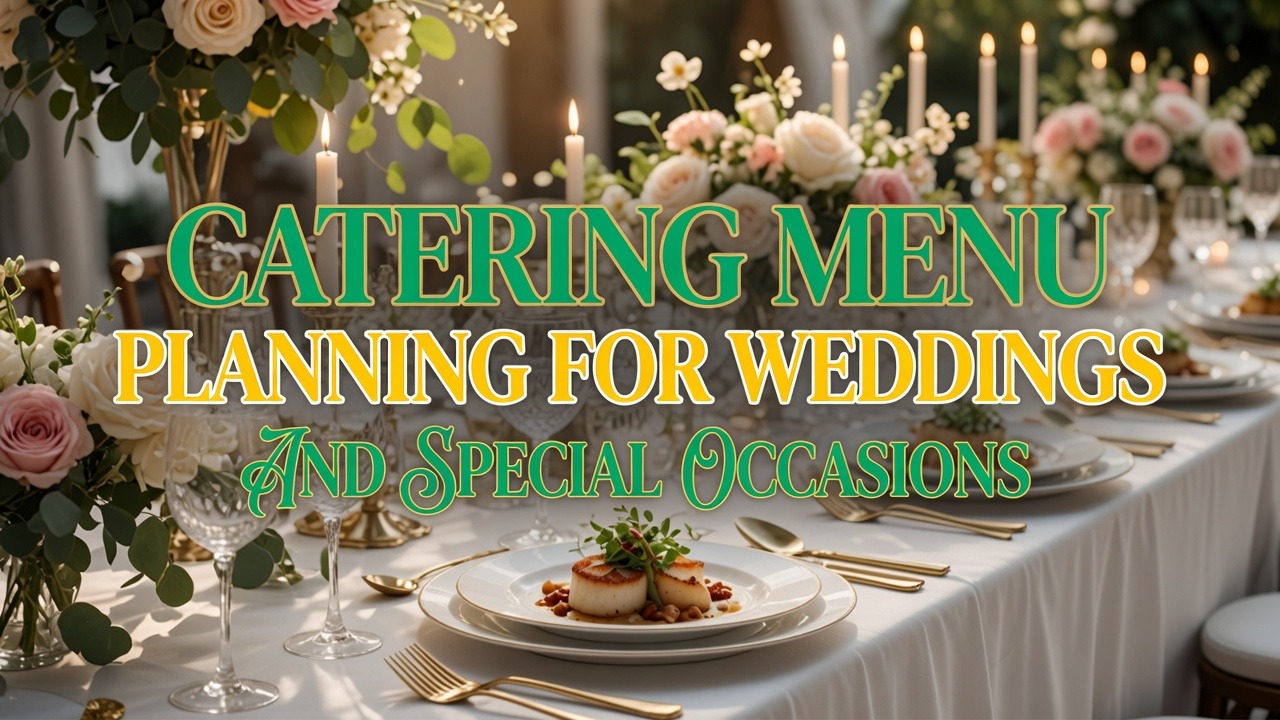


When planning an event, one of the most important decisions you’ll make is how the food will be served. Catering style affects everything from guest experience and event flow to budget and staffing needs. Two of the most common options are buffet catering and plated catering. While both options provide professionally prepared meals for guests, they differ significantly in presentation, service style, and overall atmosphere. Understanding the differences between buffet vs plated catering can help you choose the right option for your event.
Buffet catering is a self-service style of food presentation where dishes are arranged on a long table or multiple serving stations. Guests walk up to the buffet line and select the food they want, usually moving through the line while servers or attendants assist with portions or replenishment.
Buffets are popular for events that prioritize variety and flexibility. Instead of serving a fixed plate to every guest, a buffet allows attendees to customize their meal by choosing the foods they prefer.
Buffet catering is commonly used for weddings, corporate events, family gatherings, and large celebrations because it allows hosts to offer multiple food options at once.
One of the biggest advantages of buffet service is variety. Hosts can offer multiple appetizers, main courses, side dishes, and desserts in one setup. Guests are free to mix and match items based on their taste preferences or dietary needs.
Another important feature is flexibility. If someone wants more vegetables, less meat, or an extra serving of a favorite dish, they can easily adjust their plate.
Buffet catering also creates a relaxed and social atmosphere. Guests move around the room, interact while waiting in line, and often return for seconds, making the event feel more casual and interactive.
However, buffet service does require enough space for serving tables and guest movement. Lines can also form if many guests approach the buffet at the same time.
Plated catering, also known as plated dinner service, is a more formal style of catering where meals are individually prepared in the kitchen and served directly to guests at their tables by waitstaff.
Each guest receives a pre-selected meal course by course, often starting with appetizers or salads, followed by a main course and dessert.
Plated service is commonly used at formal weddings, corporate banquets, charity events, and upscale dinners where presentation and structure are important.
The main characteristic of plated catering is structured service. Guests remain seated while professional servers deliver each course. This creates a smooth and organized dining experience.
Plated meals are also carefully arranged by chefs, allowing for elegant presentation. Every guest receives a visually appealing dish designed to match the event’s style and theme.
Another advantage is portion control. Since each meal is prepared individually, caterers can manage food quantities more accurately and reduce waste.
Plated catering also eliminates long food lines, allowing guests to stay comfortable at their tables throughout the meal.
However, plated service usually requires more staff and planning. Caterers must coordinate timing so that meals are delivered to all guests simultaneously.
While both catering styles provide quality meals, they differ in several important areas including service style, guest experience, cost, and event atmosphere.
Buffet catering is self-service. Guests move to the buffet station to serve themselves or receive help from attendants.
Plated catering is fully served by waitstaff. Guests remain seated while each course is brought directly to their table.
Buffets create a relaxed environment where guests can move around and socialize while selecting food.
Plated dinners provide a more formal and elegant dining experience where guests stay seated and enjoy a structured meal.
Buffets usually offer more food options. Guests can try several dishes or choose exactly what they want.
Plated catering typically offers one main entrée per guest, sometimes with a limited choice selected in advance.
Buffets allow guests to eat at their own pace, but lines can slow down service if the event has many attendees.
Plated service follows a set schedule, with courses served in a specific order. This works well for events with speeches, presentations, or scheduled entertainment.
Buffet catering generally requires fewer servers because guests serve themselves.
Plated catering requires more waitstaff to deliver meals, clear plates, and maintain service throughout the event.
Buffet catering is often more budget-friendly because it requires fewer staff members and simpler service logistics.
Plated catering tends to cost more due to additional staffing, detailed meal preparation, and formal service standards.
Buffet catering works well for events that prioritize flexibility, variety, and social interaction.
It is especially suitable for large weddings, casual celebrations, birthday parties, and corporate gatherings where guests may have different food preferences.
Buffets are also ideal when the goal is to create a relaxed atmosphere where guests can move freely and interact with others during the meal.
For events with diverse dietary needs, buffet service makes it easier to provide vegetarian, gluten-free, or allergy-friendly options without needing individual meal customization.
Plated catering is best for formal events where elegance, presentation, and structured timing are important.
Weddings, gala dinners, award ceremonies, and high-end corporate events often choose plated service because it creates a polished and professional atmosphere.
This style also works well for events with scheduled speeches or performances because guests remain seated and focused while the program takes place.
If the goal is to deliver a refined dining experience with beautifully plated meals and attentive service, plated catering is usually the preferred option.
The decision between buffet vs plated catering depends on several factors including event type, budget, venue space, and guest expectations.
If you want a relaxed event with plenty of food options and social interaction, buffet catering may be the best fit.
If you are planning a formal event where presentation and structured service are important, plated catering may be the better choice.
Many modern events also combine both styles. For example, a wedding might offer plated main courses while using buffet stations for appetizers or desserts.
Ultimately, both buffet and plated catering can create memorable dining experiences when planned carefully with the right catering team.
Choosing between buffet vs plated catering is an important step in planning a successful event. Each option offers unique advantages depending on the atmosphere, budget, and guest experience you want to create.
Buffet catering offers variety, flexibility, and a relaxed dining environment, while plated catering provides elegance, structure, and professional table service.
By understanding the differences between these two catering styles, you can select the option that best matches your event goals and ensures your guests enjoy a delicious and memorable meal.



Subscribe our newsletter for latest news and updates with you!
Elote King Atlanta © 2026 – All Rights Reserved.