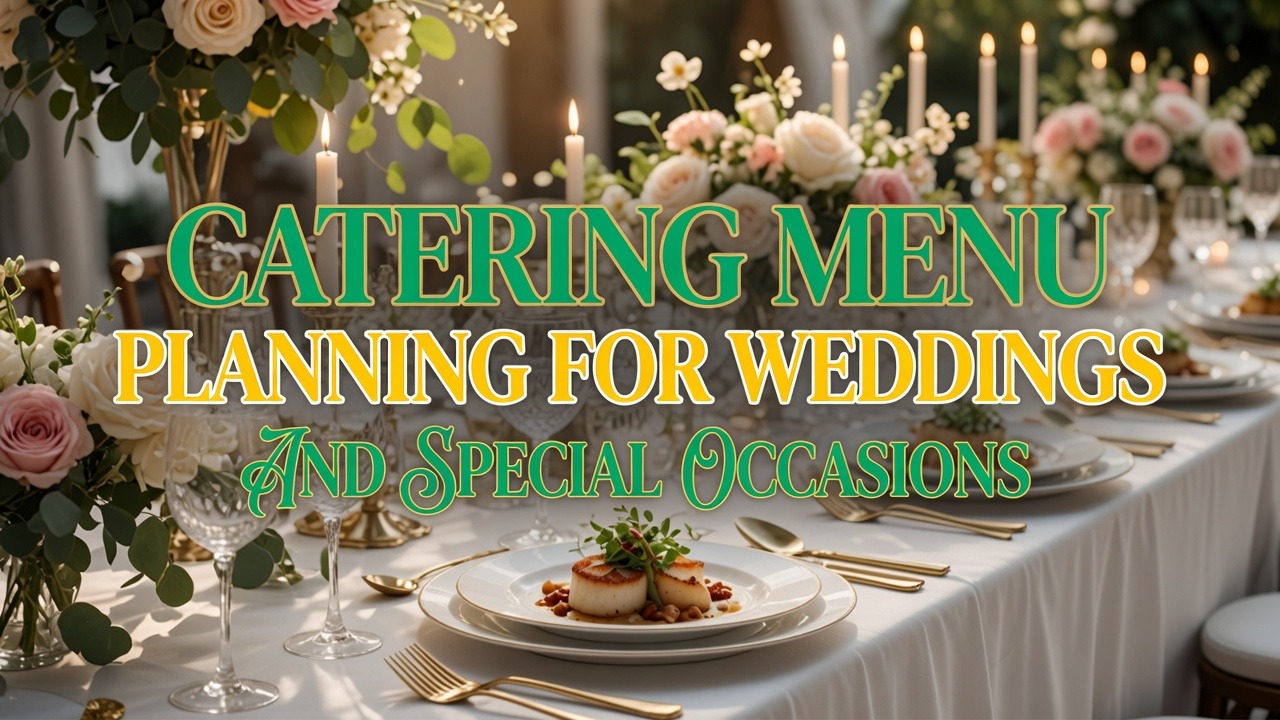

Planning a successful event starts with one of the most important elements: catering menu planning. Whether it’s a wedding, anniversary, birthday, or corporate celebration, the food you serve shapes the entire guest experience. A well-designed menu ensures guests are satisfied, dietary needs are covered, and the event flows smoothly from start to finish.
Below is a complete guide to help you understand how to plan the perfect catering menu for weddings and special occasions.
Catering menu planning is the process of designing a structured food menu that fits your event theme, guest count, budget, and service style. It goes beyond just picking dishes—it involves balancing flavors, timing, presentation, and logistics.
A strong menu plan considers:
Before selecting dishes, you need to define the basics of your event. This helps guide every food decision.
Knowing how many guests are attending is essential for accurate portion planning. Your budget will determine the quality, variety, and service style of the menu.
A formal wedding menu will differ greatly from a casual birthday or outdoor celebration. The theme helps decide whether the menu should be traditional, modern, cultural, or fusion-based.
Your venue may influence:
Your catering style directly impacts how guests experience the food.
Guests are served individual meals at their tables. This is ideal for elegant weddings and formal events.
Guests serve themselves from a variety of dishes. This allows more flexibility and variety.
Interactive stations like pasta bars, carving stations, or dessert tables add excitement and customization.
Large shared dishes are placed on tables, creating a warm and communal dining experience.
A great menu is all about balance—flavors, textures, and food categories must work together.
Start with light, flavorful bites that stimulate appetite. Popular choices include finger foods, mini skewers, sliders, or canapés.
Your main dishes should include variety:
Sides should complement the main course, such as rice, roasted vegetables, salads, or mashed potatoes.
Finish strong with desserts like cakes, pastries, puddings, or cultural sweets that match the event theme.
Modern events require careful attention to dietary restrictions. A thoughtful menu ensures every guest feels included.
Common dietary needs include:
Clear labeling and communication with your caterer are essential for safety and guest satisfaction.
Seasonal ingredients improve both taste and presentation while helping control costs. Fresh produce also enhances the quality of your catering menu planning.
Examples:
Proper portion planning prevents food shortages or unnecessary waste.
General guidelines include:
These estimates help ensure smooth service throughout the event.
A well-planned menu also focuses on timing and guest experience flow.
Light snacks and drinks keep guests engaged before the main meal.
This is the highlight of the event and should be well-paced and organized.
For long weddings or celebrations, late-night food helps keep energy levels high.
Before the event, always finalize your menu through tastings and adjustments.
Key steps include:
This ensures your catering menu planning is executed perfectly on the event day.
Effective catering menu planning is the backbone of a successful wedding or special occasion. From selecting the right catering style to balancing flavors and managing dietary needs, every detail contributes to the overall guest experience. With careful planning and coordination, you can create a menu that not only satisfies hunger but also leaves a lasting impression.



Subscribe our newsletter for latest news and updates with you!
Elote King Atlanta © 2026 – All Rights Reserved.